
Derek Gee-West and his nutritionist, Marco Sassi, discuss how the Canadian rider manages his nutrition through three weeks of racing
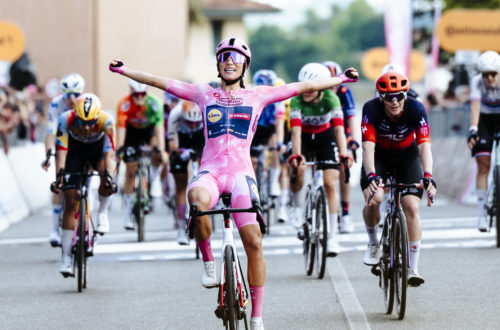
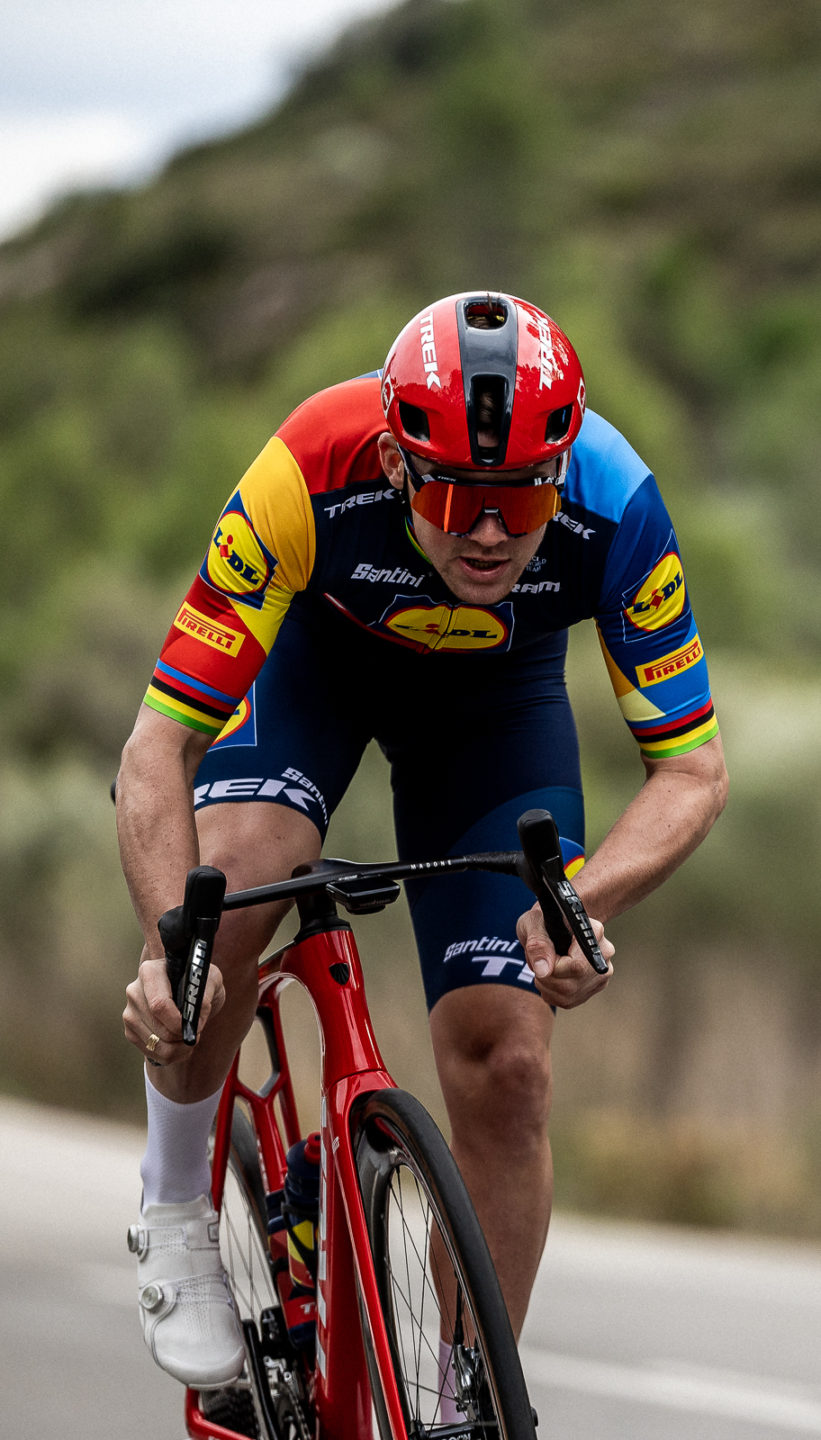
It is the penultimate mountain stage of the 2026 Giro d’Italia, and Derek Gee-West is coming into his own. In the third week of a gruelling Grand Tour, when others are fading away to fatigue, Gee-West is riding to second place on the mountain top finish to Alleghe, looking better than he has all race. His pedalling is smooth, his body is sturdy and strong, and he’s not losing any time to his rivals chasing furiously behind. He will finish the day just 14 seconds off the stage win – his best performance of the Giro so far, right when things are getting tougher than ever.
This does not happen by chance. In order to still be at the peak of his powers after 18 days of bike racing through an especially hot Italian spring, Gee-West has had to do everything right. What happens on-bike during the stage is one thing, but his actions in between hold just as much relevance. Sleeping, recovering, resting and – perhaps most crucially – eating.
Nutrition is one of the most important pillars of Grand Tour racing, especially for general classification riders who want to remain at their optimum weight for the mountains while getting through long sprint and transitional stages at the same time. Making plans and calculations alongside his nutritionist, Marco Sassi, has been an integral part of Gee-West’s preparation for the Giro d’Italia, and it’s clear that this has paid off in spades.

Fuelling can be more complicated for me, because I'm a pretty big GC guy.
“When I was doing track racing, I was around 77 to 80 kilos. Then I made the switch to the road and I did my first year at around 76. I found my success when I dropped down to about 72 kilos with a top-10 at the Tour de France the year after,” Gee-West says.
“It was a fight as I didn’t want to start thinking weight was the be-all-and-end-all and push it too far. It’s definitely a struggle between trying to find the right balance of being skinny for a competition, but at the same time, trying not to push it too far, because even at my lightest race weight, I’m probably still the heaviest guy in the GC field. “
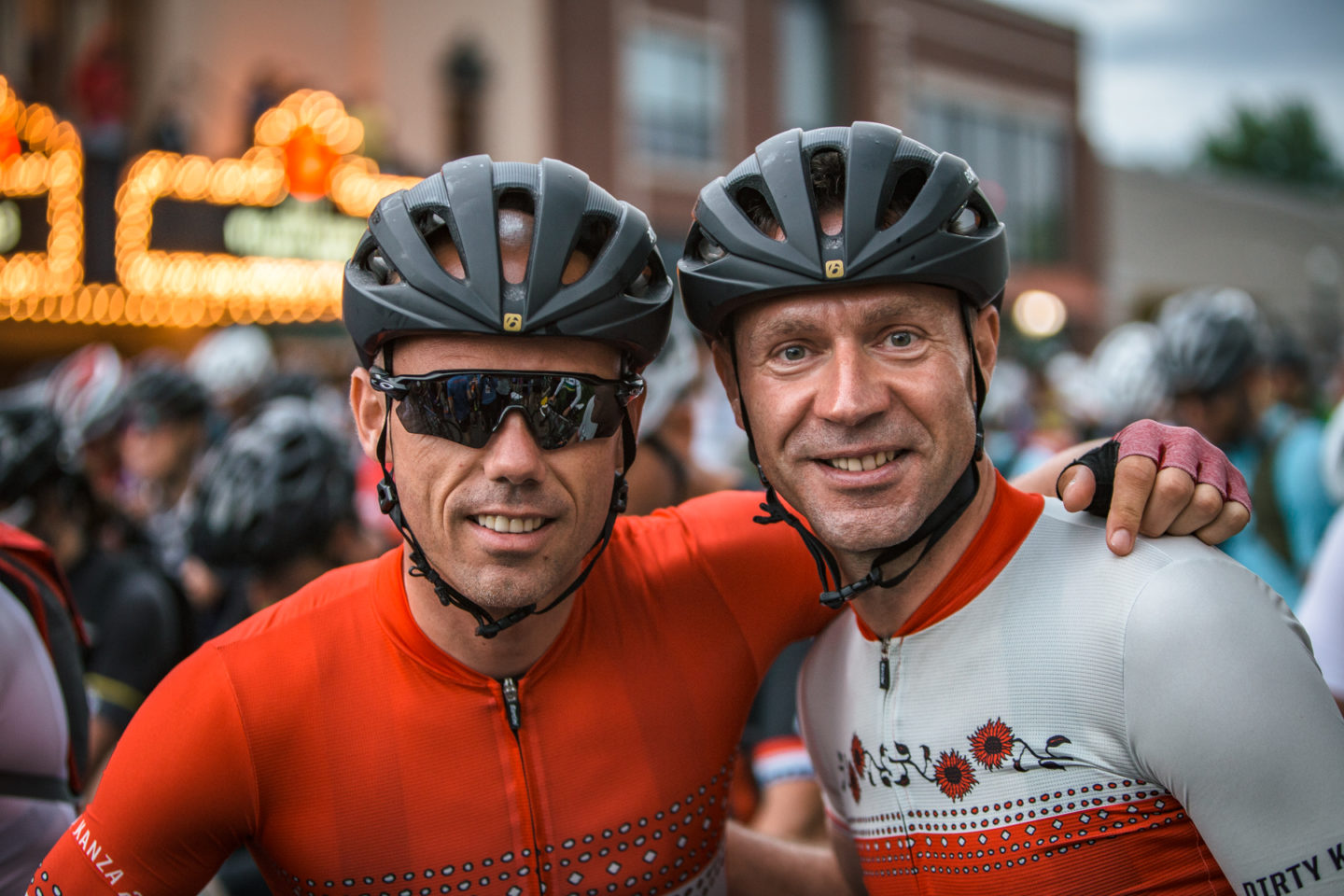
Working with Sassi (formerly a nutritionist in the football world) since he joined Lidl-Trek has been a big part of optimising Gee-West’s fueling for big goals. The pair have daily conversations during the Giro about how the Canadian rider’s food plans need to be tweaked and tailored to ensure they are responding to the load of each stage.
“Many things can change during the race depending on if you’re in the break or in the peloton. That can impact your consumption. Sometimes even what you eat on the bike can change because you might not feel like you need as much as planned because the peloton is riding easier than expected,” Sassi explains.
“At the end of the day you always compare and adjust and then you look back to the previous and upcoming stages too. You don’t always want a zero energy balance because the next stages coming up could be very hard. We try to compensate for it.”

Image: Sean Hardy
Relying on data and numbers to inform decisions means that weight can be kept stable throughout a Grand Tour. Power and energy usage estimations ensure that fueling plans are accurate throughout the three weeks of racing, and nutritionists also focus specifically on what types of food riders are eating to ensure the best feeling on the bike.
“We choose lower fibre food on climbing days, for example, to make sure the gut is free and empty. We reduce wholegrain and vegetables to just certain types like zucchini, pumpkin, carrot,” Sassi explains.
There is no denying that power-to-weight ratio is an important part of endurance-based performance sport, which means the period leading up to the Giro is an important time to get race ready. Sassi and Gee-West worked closely in the months before the first Grand Tour of the year to figure out what the 28-year-old needed to perform at his best.
“I know focusing on your weight is just part of the sport, but you have to know when to switch off, enjoy life and recover. Then when you’re at a training camp or something, it’s super easy to be dialled and get where you need to go,” Gee-West says.
“On a normal day, I would probably weigh everything up until dinner then just eyeball dinner knowing what I want left. That’s how I find a balance because I feel like if I weighed every single thing all day, it would crack me eventually. That being said as it gets closer to the Giro those are the little things that you dial in and it leaves a little bit of room for being more precise closer to the big goals.
It's really nice to be able to, to pick a time of the year and say this is the big goal, and then you know that it's not a lifestyle, it’s just that this is current block, and this is how long I have to sustain this level detail then after that it's like a weight off.

Image: Chris Auld
Sassi also explains that from his part, he had adjusted Gee-West’s pre-Giro plan based on his races and periods of sickness in the lead up to the race: “We set a goal at the beginning of the year and we knew we had time to reach it. We tried to do it slowly and get in shape, as Derek came from a period of many months without racing so the margin was quite big. Two months ago he had a virus so for a period we had to change the priority to healing his body rather than getting in shape again, but in the end we were happy with how he came to the Giro.
“At altitude we were able to fine-tune everything as your metabolism is shifted towards the oxidation of carbohydrates. You have to change things a bit to put more attention on carbs and make sure you have enough.”
Both rider and nutritionist agree that before and during Grand Tours are the most important parts of Gee-West’s season. Now the race has reached its conclusion in Rome, there will be time for the Canadian to switch off and enjoy a more relaxed existence, taking some time away from the high-pressure environment that comes with targeting a general classification position.
“After the Giro, Derek will have some time when he’s not tracking the food and he can completely unplug which is good for the mental part,” Sassi explains.
“Every rider is different and you talk with them at the beginning to see how things go. You can find the sweet spot, some prefer to follow everything and not think about what they eat while others have targets and then want to be more free to make their choice.”
Gee-West’s eventual fifth place overall at the Giro d’Italia was fuelled by detailed nutrition plans that were both flexible and thoughtful. Nutrition is not one size fits all, and Sassi ensures that Gee-West’s individual needs are met on every single stage of the bike race. This not only means adjusting macros based on energy consumption and estimation, but also taking into account how the Canadian is feeling each day. Importantly, it is about good communication to strike the balance between weight, performance and happiness.