
Gwendalyn Gibson and Nina Graf formed a fast friendship, and that bond could help them achieve big things
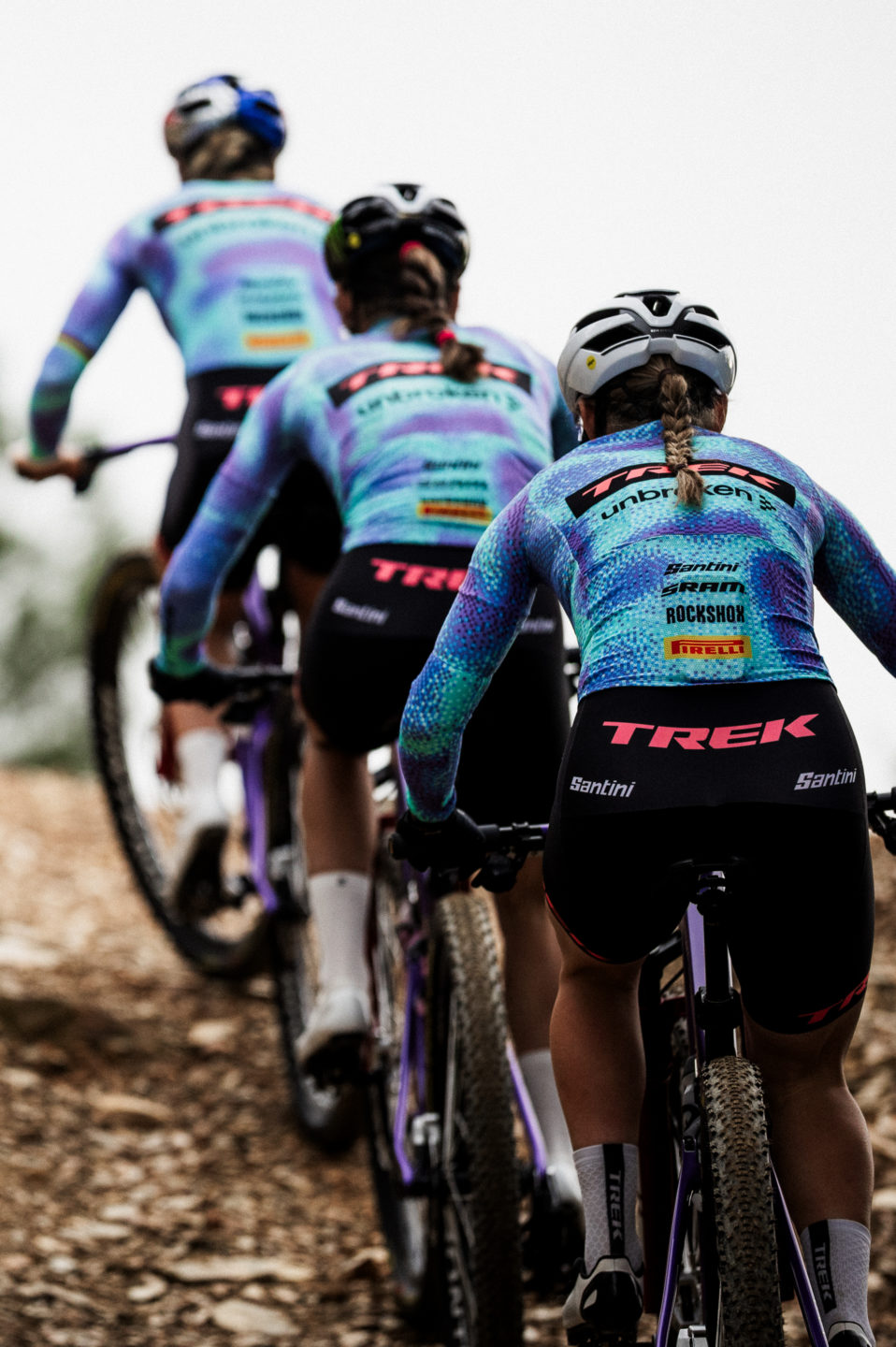
Before Nina Graf joined Trek-Unbroken XC in December, Gwendalyn Gibson was the previous newest member of the squad, arriving in 2023. Like Graf, Gibson didn’t come up through the ecosystem of Trek-sponsored teams. They both came from direct competitors, stepping directly into a tight-knit dynamic that can be intimidating at first blush, when your nerves are scrambled and you’re still (literally and metaphorically) unsure where the bathroom is.
So Gibson made it her personal mission to make sure Graf had an easy transition into the team. She was hoping that they would be paired in a room together for team camp last February. Her wish came true, and Gibson set out creating exactly the sort of welcome she knew Graf would want.
“I remembered how I felt coming into a brand new team, when everyone already knows each other, and you feel like a little bit of an outsider,” Gibson said. “My goal was to make Nina feel as welcome, as comfortable as possible.”
My goal was to make Nina feel as welcome, as comfortable as possible.
- Gwendalyn Gibson
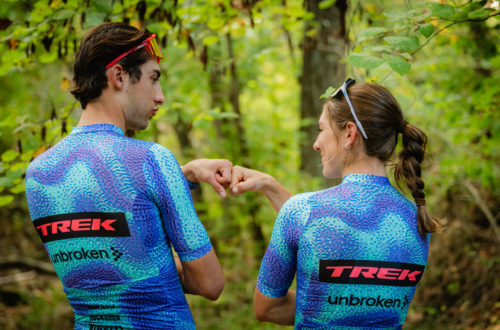
The two have become fast friends. They do yoga and make pancakes together. Gibson is helping Graf improve her (already excellent) English, and Graf is helping Gibson improve her (admittedly remedial) German. When they ride together, they push each other on tricky technical sections. They’ll be trading their favorite coffee beans when they see each other again in Korea for Round 1 of the World Cup. In the meantime, they’ve been holding each other accountable on training, nutrition and sleep schedules.
Their relationship represents a rare and fascinating dynamic in elite bike racing. How can two people competing for the same limited space atop the World Cup standings be so close? What do riders gain by nurturing friendships that run counter to their professional ambitions?

Gwendalyn and Nina hugging it out after racing together in La Nucia, Spain.
Gibson recalled giving a strong performance in Chelva this past February, finishing third within a strong field. As soon as Graf crossed the line roughly three minutes behind, she hugged and congratulated Gibson for her podium. Graf had a disappointing race by her standards — 11th place, for a rider who had four Top 10 finishes across World Cups and World Championships last season — and Gibson was touched by the fact that Graf’s reaction upon finishing wasn’t self-wallowing, but joy in a teammate’s success.
“That’s so nice in a teammate, that even when the day doesn’t go exactly how you hoped, that you’re still supportive to those around you,” Gibson said. “And that’s definitely something I’m going to remember. When I have a hard day and she has a really amazing day, the first thing I want to do is be there for her on the finish line and celebrate her success.”
I was sad for me, but I need to show her that I'm happy for her.
- Nina Graf
The selflessness that Graf displayed was an instinctive act stemming from the time she took to learn about her teammate. She and Gibson had talked openly about their careers, and all their vulnerabilities and anxieties around racing. She knew that for Gibson, the result was a positive sign after a season in which she struggled with consistency.
“It meant a lot to her, and I know that, and I was just really happy for her,” Graf said. “For sure I was sad about my race, but I feel that you have to separate. And so I can be happy for her. I was sad for me, but I need to show her that I’m happy for her.”
Graf has an innate ability to make a rainy day sunny. Literally, according to Gibson. Team camp was held in Girona, Spain, under the impression that the weather would be gorgeous in February, perfect for long training rides and preseason photos. Instead, the riders were greeted by downpours when they landed, threatening to dampen the excitement for the official 2026 season kickoff.

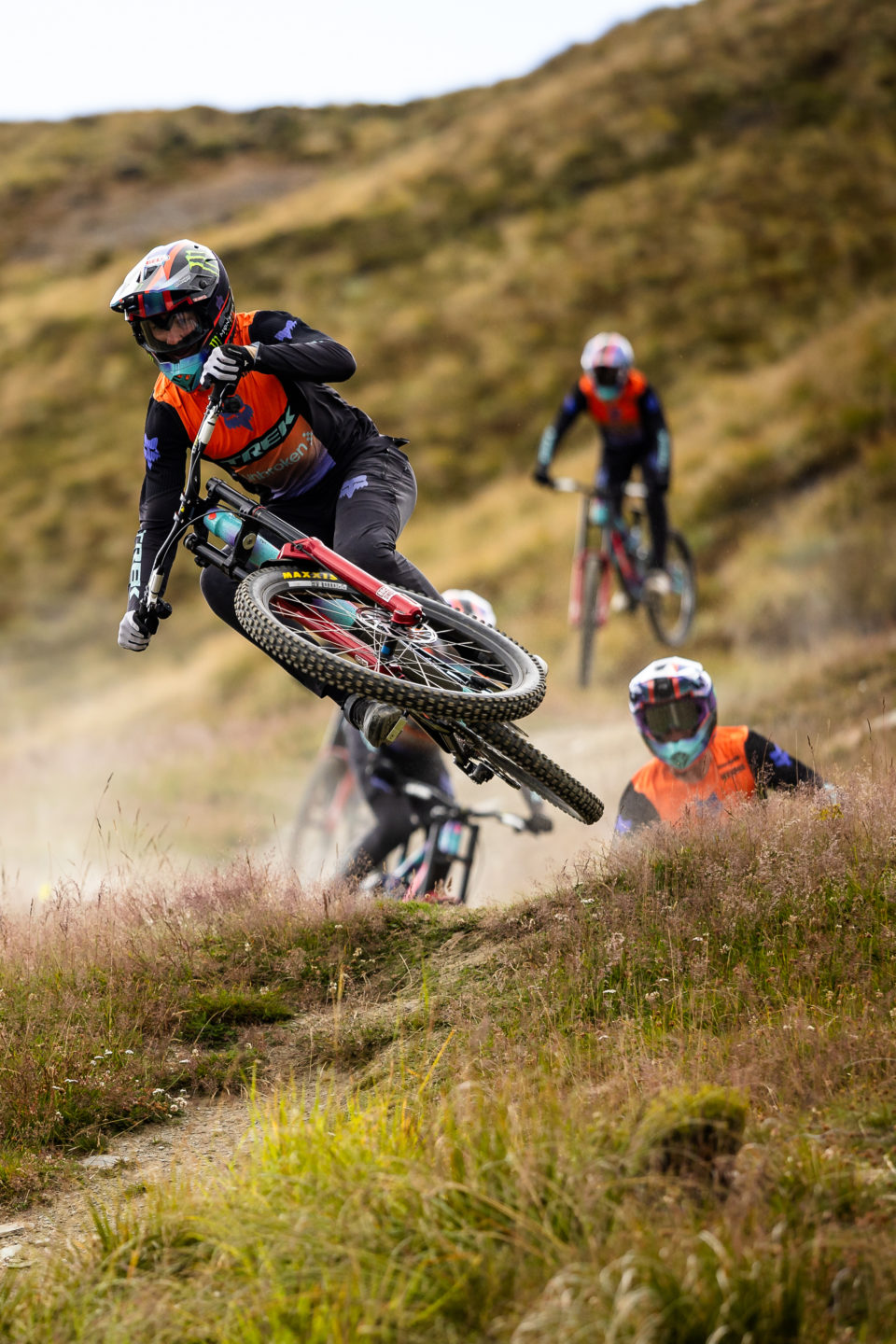
Gwendalyn on her way to a podium in Chelva, Spain. | Photo: Javier Martínez de la Puente / Zubiko Photography
But Graf wouldn’t let a little rain ruin her parade.
“We’re running around a lot and and I found that any time both of us were maybe getting a little bit tired, or it’s rainy or something, she’s just like, ‘Oh, it’s not raining. Yeah, look, that’s the sun over there,'” Gibson said. “She’s just so good at turning things around and not letting them go down a negative path.”
Positivity begets positivity, which makes weathering difficult times easier. And as a professional athlete, difficulties are inevitable. Whether athletes have a healthy, supportive environment gets overlooked too often from a performance standpoint, perhaps in part because one’s mental state can’t easily be measured, not like a VO2 max or lap times.
She's just so good at turning things around and not letting them go down a negative path.
- Gwendalyn Gibson
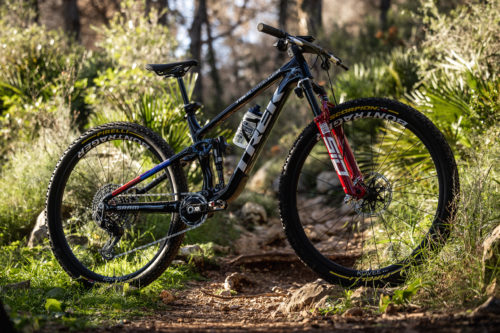
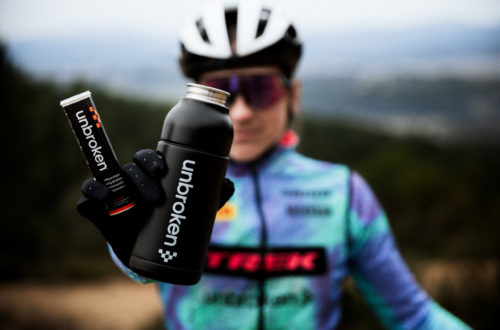
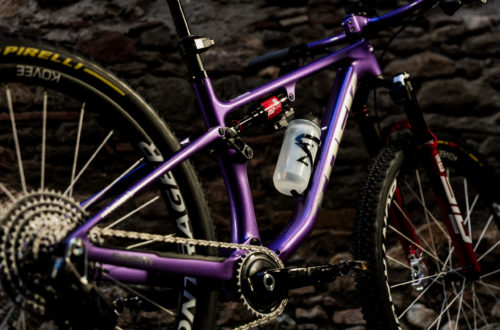
Those quantifiable marginal gains are important, of course. There’s a reason why we spend so much of our time and resources making prototype bikes that we believe are the best in the sport, and why we have partners like Unbroken giving our riders an edge in recovery. But Gibson and Graf both seem to understand that there is something tangible to be gained from simply feeling happy, too.
“We are an individual sport, so we are fighting on our own in the race. But it’s so cool to have a friend or teammates who you can go on the track with and look for good lines, sharing thoughts,” Graf said. “And also sharing the calm moments before a race, or the nervousness. Our job is racing, but I feel like we perform the best when we are happy and balanced.”

Nina through the trees in Chelva. | Photo: Javier Martínez de la Puente / Zubiko Photography
Great athletes are often described as having a much-mythologized, never-quantified “It” factor — i.e., an innate ability to somehow always perform their best on race days, even through injuries, illnesses, and difficult personal circumstances. That ability is incredibly rare. Most of us experience “It” only intermittently, subject as we are to the combined weight of external factors we can’t control, internal forces we don’t understand, and the thousands of miniscule and major decisions we make every day.
Elite level racing is difficult to navigate because the world is difficult to navigate. Fortunately for most people reading this, our ability to perform — physically on a bike, mentally at a desk job, or however else you may define the word — will never be broadcasted to thousands of fans, offered up for discussion and fully dissected before we’ve toweled off our sweat.
Our job is racing, but I feel like we perform the best when we are happy and balanced.
- Nina Graf
Loneliness only amplifies the stress that professional athletes face in greater quantities by orders of magnitude more than most people. In that sense, it’s not reductive to call strong friendships a performance tool, not unlike a fast bike or recovery supplements.
“It’s making the fine details more fun because you have someone to do it with,” Gibson said. “Like stretching every night and making sure you’re going to bed on time. And reading before bed instead of scrolling, and doing our training rides together, and pushing each other technically. We’re making each other stronger in that way. And the result is, hopefully, both of us reach the next level because of it.
We all need friends to help us be our best selves — for many reasons, but not least for the way they help us bear the scrutiny of our failures. And that goes doubly for those within racing, where margins are tight, bad luck is common, and the stakes feel astronomically high. Processing failure in a way that doesn’t weaken you, eating away at the confidence and joy that make competing feel like second nature, is vital to life as an athlete.

Gwendalyn and Nina are aiming high in 2026, and they'll have each other by their sides.
“When you are lonely or sad — you are missing home or something like that — then you don’t have the positive vibe and the excitement before a race, and you need that,” Graf said. “And then when you can talk about how you’re feeling, and the other says, ‘I feel the same, and it’s absolutely OK,’ you calm down together.”
When Gibson and Graf line up for short track racing in South Korea on Friday, May 1, they’ll be thousands of miles away from their traditional support structures. Instead, they’ll be each other’s biggest cheerleaders, even as they’re trying to pip each other at the line. Their relationship is no accident; it is borne from their maturity and an understanding, through their ups and downs, of how mountain biking really works. Turns out, there’s more to racing than going fast.