
Another banner year for American MTB stars, and yet more proof that Bear is doing things the right way
American mountain bikers had another banner year on the World Cup circuit. And one of the most common links among them is the Bear National Team development program.
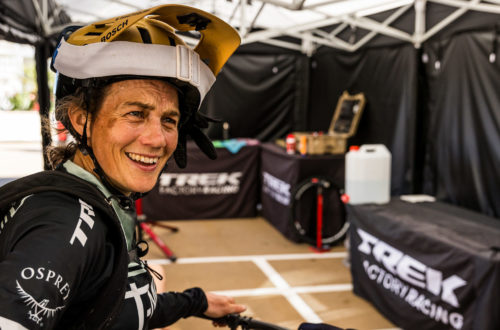
The Trek-supported program has been feeding the upper ranks of American XC racing for years. Bear’s development philosophy emphasizes personal growth — through community service, championing diversity, and an uplifting team atmosphere — just as much as on-bike training. It is also not a pay-for-play program; Bear athletes pay zero fees. The result is a culture of community-supported growth that has helped fuel the United States’ resurgent presence atop the World Cup standings.

Bear National Team kids are developed to be good human beings, first. | Photo: Alec Levy-O'Brien
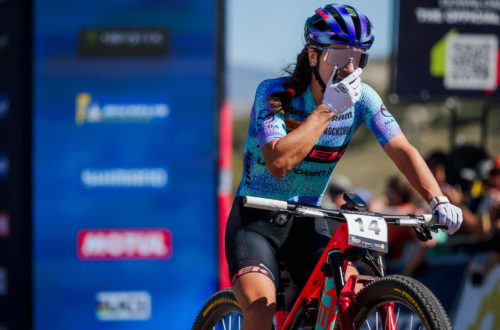
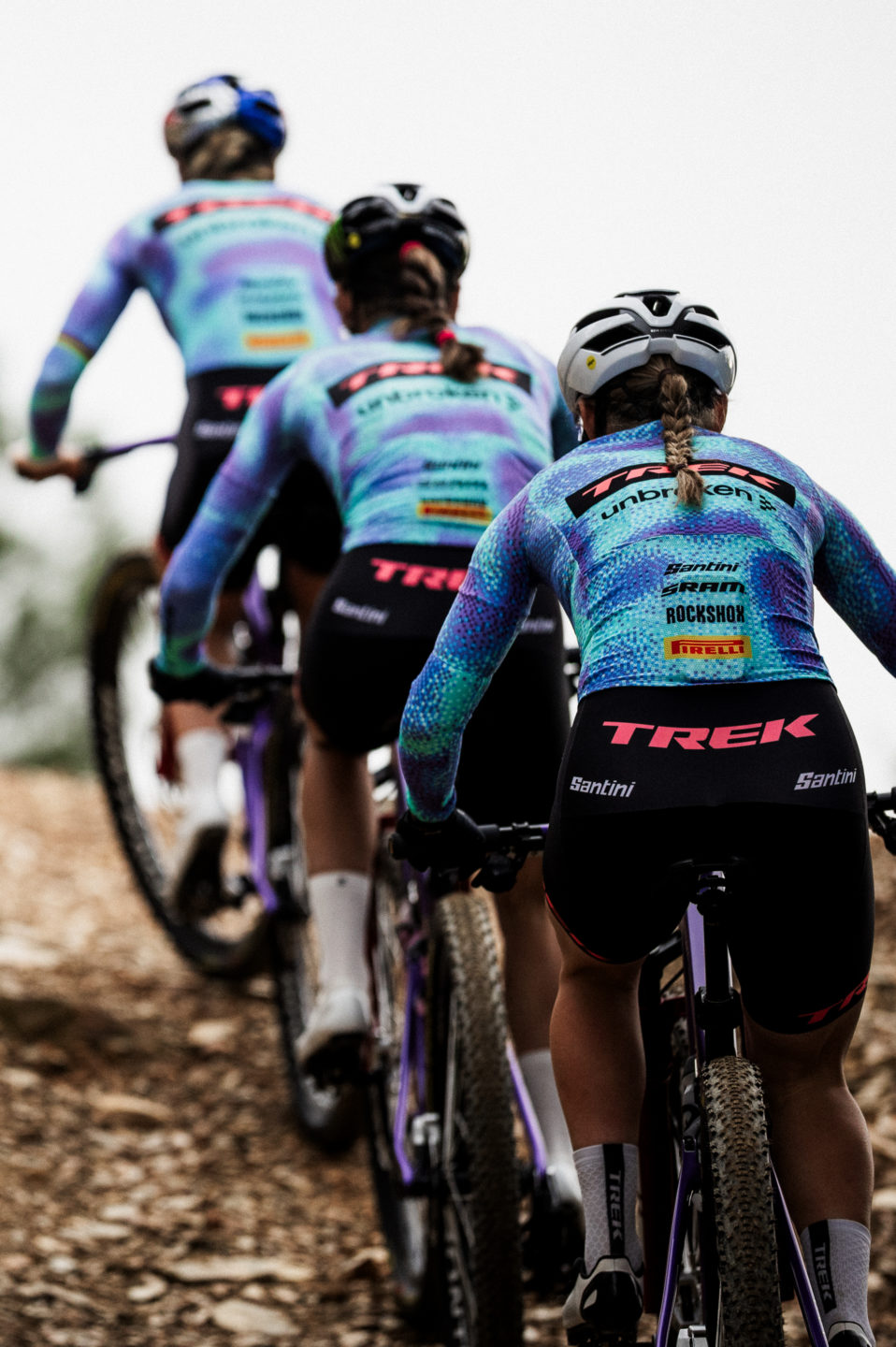
Three of the six American riders who finished in the Top 15 of the men’s and women’s overall XCO World Cup standings, respectively, can trace their paths through Bear. Bjorn Riley (fifth in the men’s standings, and a former Trek athlete), Savilia Blunk (fourth in the women’s standings), and Trek-Unbroken’s Riley Amos (14th in the men’s standings) are all alumni. Bear also features athletes up-and-down the U23 World Cup standings: Makena Kellerman (seventh in women), Nicholas Konecny (13th in men), Dan English (15th in men), Bailey Cioppa (18th in women), and Jack Spranger (20th in men). And in gravel racing, Bear alumni Cobe Freeburn and Daxton Mock are having breakout seasons with Trek Driftless (Freeburn just won the U.S. national title, in fact.)
As we’ve been saying for years, the future was, is, and will be Bear.
Trek’s belief in Bear goes back to 2013. Bear co-founder Julia Violich was looking for a new bike partner, one that was more committed to youth racing than the team’s previous sponsor. She wanted to build a foundation to help American mountain biking thrive long-term, not chase short-term results. Trek had already been heavily investing in the national network of local youth race programs known as the National Interscholastic Cycling Association (NICA).

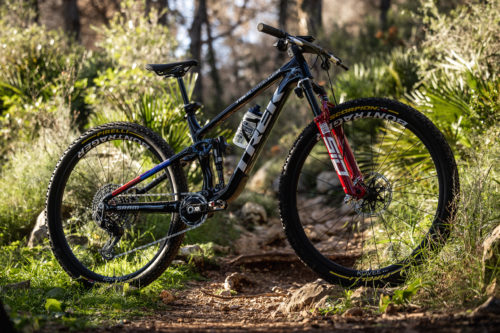
Bear alum, and current Trek-Unbroken XC racer, Riley Amos closed the season strong with an eighth-place finish in Lake Placid aboard Trek's prototype 32" mountain bike. | Photo: Ross Bell
“And I just had this kind of organic feeling about Trek that they’re in it for the long haul, and they understood that you have to fail 10 times before you succeed,” Violich says. “And that came from John Burke all the way down to everybody that I worked with.
“I just feel like Trek’s support is unconditional, and the athletes feel it too.”
What does the “long haul” mean? Both Bear and NICA (the latter’s alumni make up the other three Top Six elite American riders, including Trek-Unbroken’s Gwendalyn Gibson) show the way. By meshing with local communities and supporting riders of all levels, NICA teams grow enthusiasm and participation year after year. Bear takes a different approach, but with similar goals: Its selective process seeks kids with diverse backgrounds and the potential to be great teammates, not those who can simply ride their bike fastest.
I just feel like Trek's support is unconditional, and the athletes feel it too.
The goal of these organizations isn’t inherently to produce World Cup racers. They aren’t combing results sheets and asking for power numbers. Instead, they’re casting a wide net for enthusiastic athletes with growth potential, who can also help those around them achieve their best.
That approach, it turns out, is plenty effective at creating World Cup racers on an individual level, while also building fans and future riders so that success can sustain itself through the years.
The Bear and NICA kids who do make it to the highest levels of mountain bike racing often become those programs’ biggest ambassadors. Violich texts with Riley, Blunk, and Amos regularly ahead of big races. Amos has been known to drop a surprise donation on Bear. For NICA, Gibson makes regular appearances at events, sharing her positive experiences. The more that World Cup-level riders evangelize their time on development programs, the more it normalizes their success.

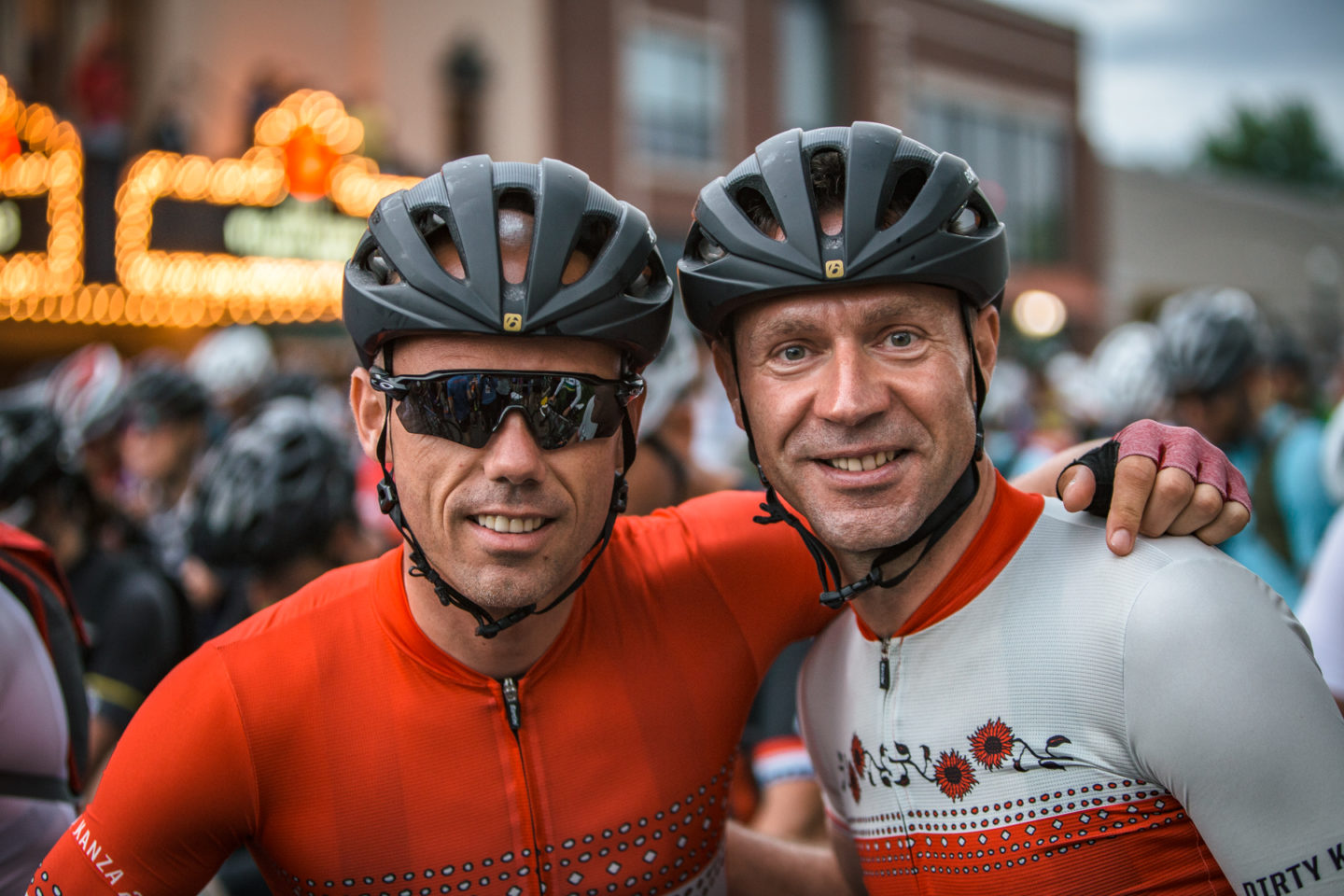
Bear alumni Cobe Freeburn (second from left) and Daxton Mock (second from right) are finishing up breakout seasons with Trek Driftless in gravel racing. | Photo: Alec Levy-O'Brien
“It’s obtainable,” Violich says. “Goals become more of a reality when you see the pathway to get there.”
Even when Bear alumni don’t go on to race professionally, they still make good use of their years within the program. Those lessons learned become the backbone of their careers. Many Bear alumni have gone on to become doctors or work with tech giants, and Violich credits that to the work ethic and interpersonal skills developed within a tight team setting.
“They feel empowered to make an impact from being on the team,” Violich says, “and I couldn’t have done that without Trek’s support.”
Trek helps in a number of ways, from logistical and technical support, to championing Bear through its marketing channels. But by far the biggest is by providing bikes and equipment at steep discounts to the programs, so that they can then be loaned to kids at little or no cost, lowering the barrier to entry for anyone who wants to learn about the sport.

As long as Bear National Team is around, the future of American mountain biking is in good hands. | Photo: Alec Levy-O'Brien
Julia’s vision for Bear’s future is to strengthen what’s working: getting more alumni to come to events, talk to kids, and get more American eyeballs on mountain biking. And she knows Trek will be there for every step.
“Those guys are sick and tired of me saying how grateful I am, but I could not do this without Trek. And I spend a lot of freaking hours doing it,” Violich says. “It is the most pivotal, significant sponsorship that we have for our athletes, and it’s singular because no other team has Trek on the mountain bike scene.
“They don’t have to do this at all, but they do.”