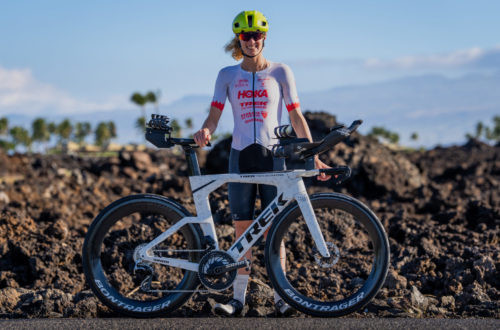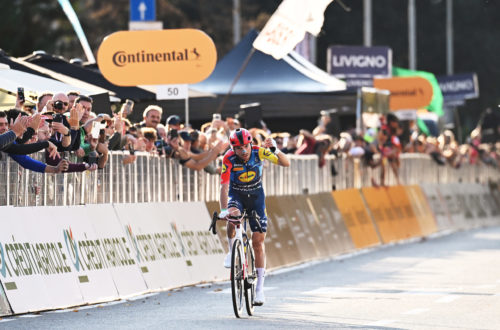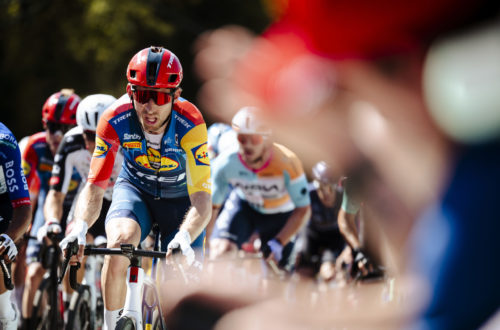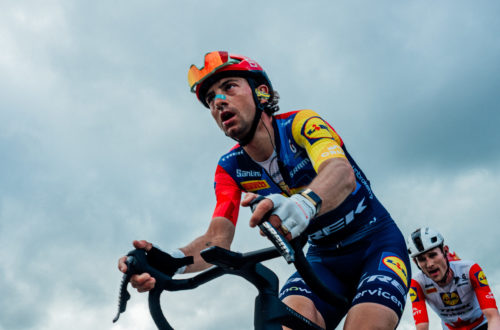

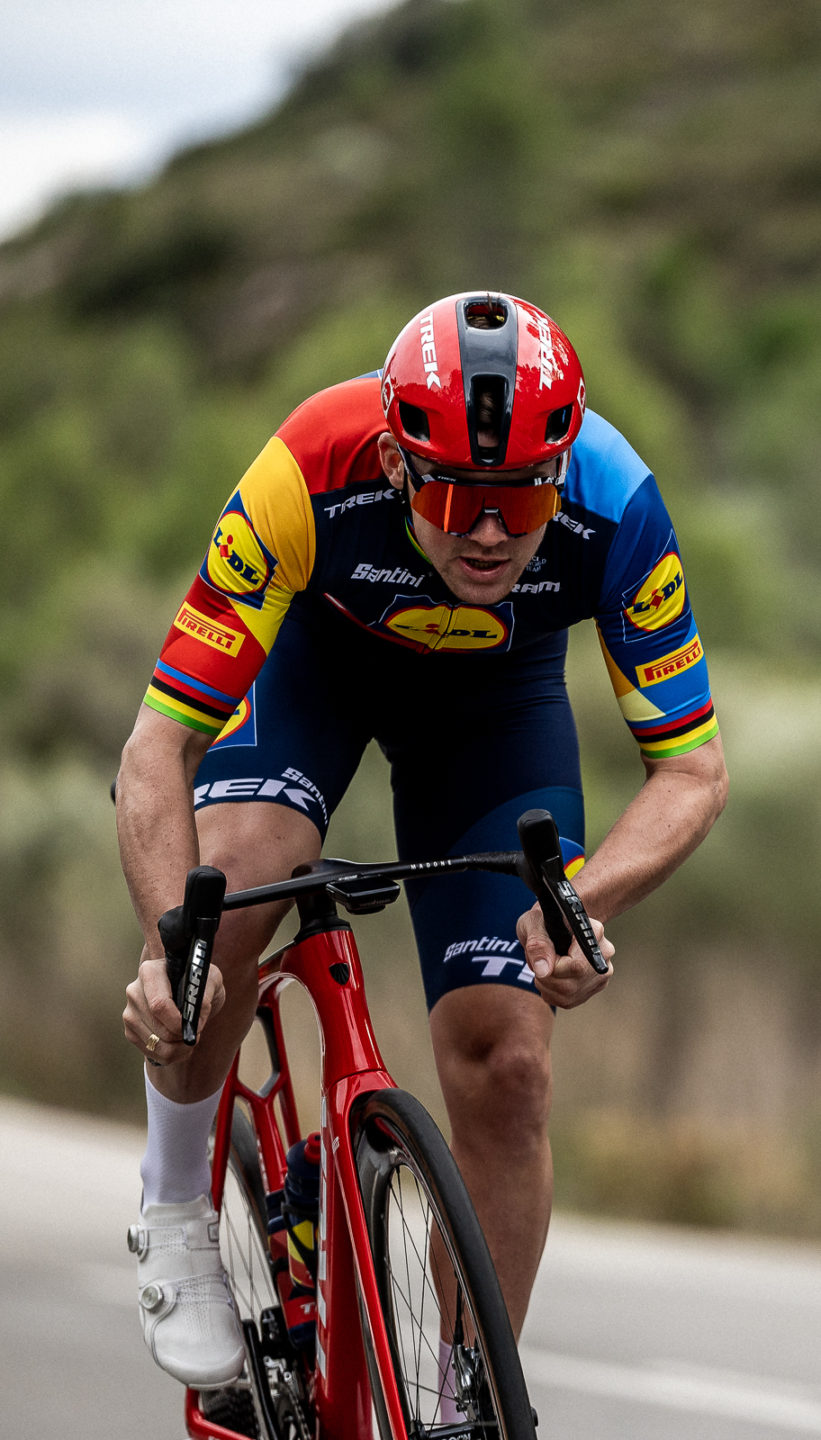

After hanging up her race wheels at the end of last season, Van Dijk has embarked on a new chapter as part of Lidl-Trek’s performance team. She has a lot to teach the next generation, but is also discovering who she is outside of the peloton
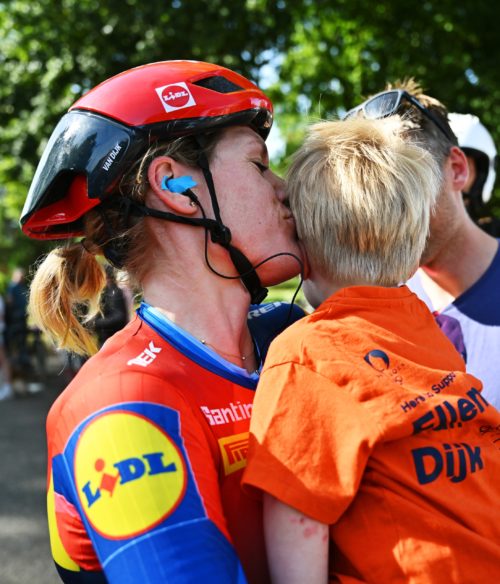
In 2026, spring is looking quite different for Ellen van Dijk. This time twelve months ago, the Dutch rider would have been deep in preparation for her Classics season, studying the cobbles over breakfast, familiarising herself with the Belgian gutter, preparing to fight at Paris-Roubaix or the Tour of Flanders. Now in retirement, Van Dijk’s day-to-day existence is markedly more tranquil. She’s at home in the Netherlands with her young son Faas and husband Benjamin, learning a new pace of life.
“I like the fact that I don’t have to go to races, because it’s nice to actually be home with the family and not have to leave them behind,” she explains. “At the same time I still sometimes miss having a goal and working towards it, being so passionate about what you do every day. Occasionally I still struggle to find the way in my new life a little bit, but it definitely has a lot of positives.”
Like with most professional sportspeople, ending her racing career doesn’t mean holidays in the sunshine or a life of relaxation for Van Dijk. Instead, it signifies the opportunity for a new chapter, utilising the experience gained as an athlete while also continuing to develop her personal skillset.
“I studied human movement sciences when I was younger and I was always interested in performance and coaching. When I was riding myself, I had in my mind that it would be nice to be a coach one day so I spoke about it with the team and they were also into it. At the end of last year it became more of a plan and now it’s a nice challenge for me to figure out whether coaching is what I like to do.” Van Dijk says.
It’s a big change, I have a lot of experience myself but bringing it to other riders is something different.
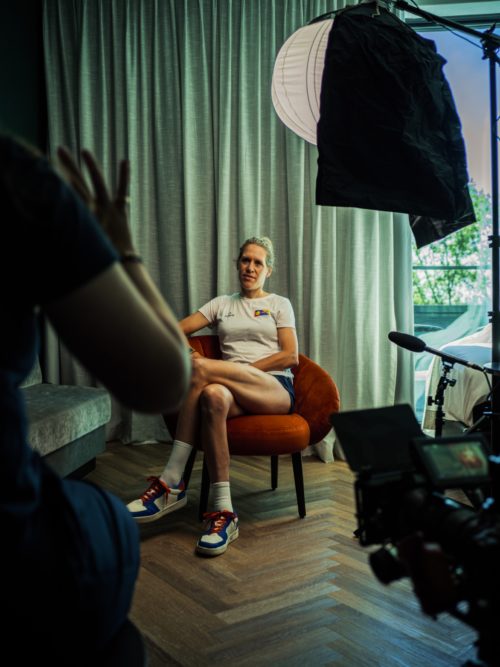
Coaching is far from an alien concept to the Dutchwoman – in the final years of her career, Van Dijk worked closely with the younger riders on the Lidl-Trek women’s squad from within the peloton. It was a natural progression for her to continue this work once she hung up her race wheels, though she admits the transition to full-time coaching staff has not been without its challenges.
“Of course, I knew most people in the team already which is really nice but I also had to get used to a lot of other things I never even knew existed. The online meetings, all that the staff do behind the scenes, all the spreadsheets and computer work, it’s a big part of it,” she comments.
Lidl-Trek’s Head of Performance, Josu Larrazabal, coached Van Dijk to world and Olympic medals when she was racing and continues to be a mentor figure to her now, albeit in in a different way: “If I have questions I can always go to Josu, he was my coach for seven years and teaches me a lot everyday.”
A big part of Van Dijk’s responsibility as a coach is maintaining daily contact and feedback with the riders who she works with. Currently, she coaches Marine Lenehan who joined Lidl-Trek’s women’s team this year, and 18-year-old Thor Michielsen of Lidl-Trek Future Racing. Working with riders who are in the earlier phases of their careers was important to Van Dijk as she embarked on her first year as a coach.
“I wanted just two riders because I still have a lot to learn and so do they. Thor is from Belgium and wanted a Dutch speaking coach, so that was also a good match.” she explains.
Working with riders who I raced against in the peloton would have been a bit of a weird transition.

Almost two decades as a professional bike racer means that Van Dijk has empathy and understanding regarding what the riders she works with are going through. Few others could better help battle through the challenges and trials that come with trying to make it in elite sport as someone who has lived through it first hand.
“I think I can be understanding and help them overcome things through personal contact. I know all the feelings that come with training, racing and everything around that. In general I try to keep them as relaxed as possible because when you are in your own world and your own zone, you can stress about the small things,” she says.
“I really learned during my career that you go further when you don’t try to do everything completely perfectly. I try to teach my riders the 80 to 90 percent rule – do 80 to 90 percent of your work and you’ll be ready. You can’t do 100 percent all the time. You can strive for it, but you need someone to help you calm down and tell you when it’s enough. You need to survive the whole season, and I feel a responsibility to help them have a long career too.”
When it comes to working specifically with female riders, Van Dijk believes she brings a unique approach as a woman in the coaching world, which is still lacking in terms of gender equality.
“There are not many women’s coaches. I was at the training camp in December and I looked around the meetings and saw it was only me as a female coach. On topics like the menstrual cycle or hormones I can help translate that to the performance team a bit,” she says. “I have been at all of those chats the women’s team has around the dinner table and spoken a lot about it, and the performance team doesn’t always know what is going on in the heads of women. It’s nice to be there as that intermediary between both parties.”
Since Van Dijk signed her first professional contract in 2006, women’s cycling – and the sport in general – has changed immeasurably. From a performance perspective, knowledge surrounding training techniques is more complex than ever. Van Dijk warns that riders should ensure they are still listening to their intuition, as well as looking at data and watts per kilo.
“When I was starting, I didn’t even have a real coach, just somebody from my club team guiding me. Now, the numbers are everything and there are numbers for almost everything you do in a day: when you wake up you have sleep data, when you have breakfast you know how many grams you should eat of everything, you have all your power numbers, your recovery values. There are so many things you can measure right now. That makes it more controllable but also more complicated. It’s a matter of making sure the numbers don’t take over for the riders.” she comments.
Your feelings should still lead you and it needs to be a balance.

While giving advice to riders after her own extremely successful racing career is a big part of what Van Dijk brings to Lidl-Trek, she is keen to stress that she is also gaining from this new challenge herself. A hunger to learn and excel is in the DNA of most elite athletes and Van Dijk is no exception, even in retirement from racing.
“I am really enjoying the change from always looking to perform myself to now looking at others. It’s not about me anymore, which is nice. I can easily see the overview for these riders compared to when I was a rider myself, it was harder to get the distance to see that then. I’ve learned that when you take a step back, things are easier to handle,” she comments.
“I also am learning a lot from all the online meetings, being behind the scenes and seeing the team structure and how it all works. I am learning to be more efficient on my computer, this is all interesting because I’m so not used to it.”
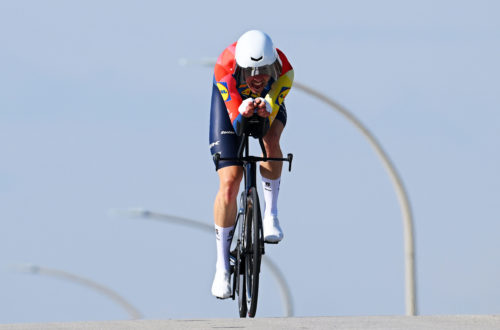
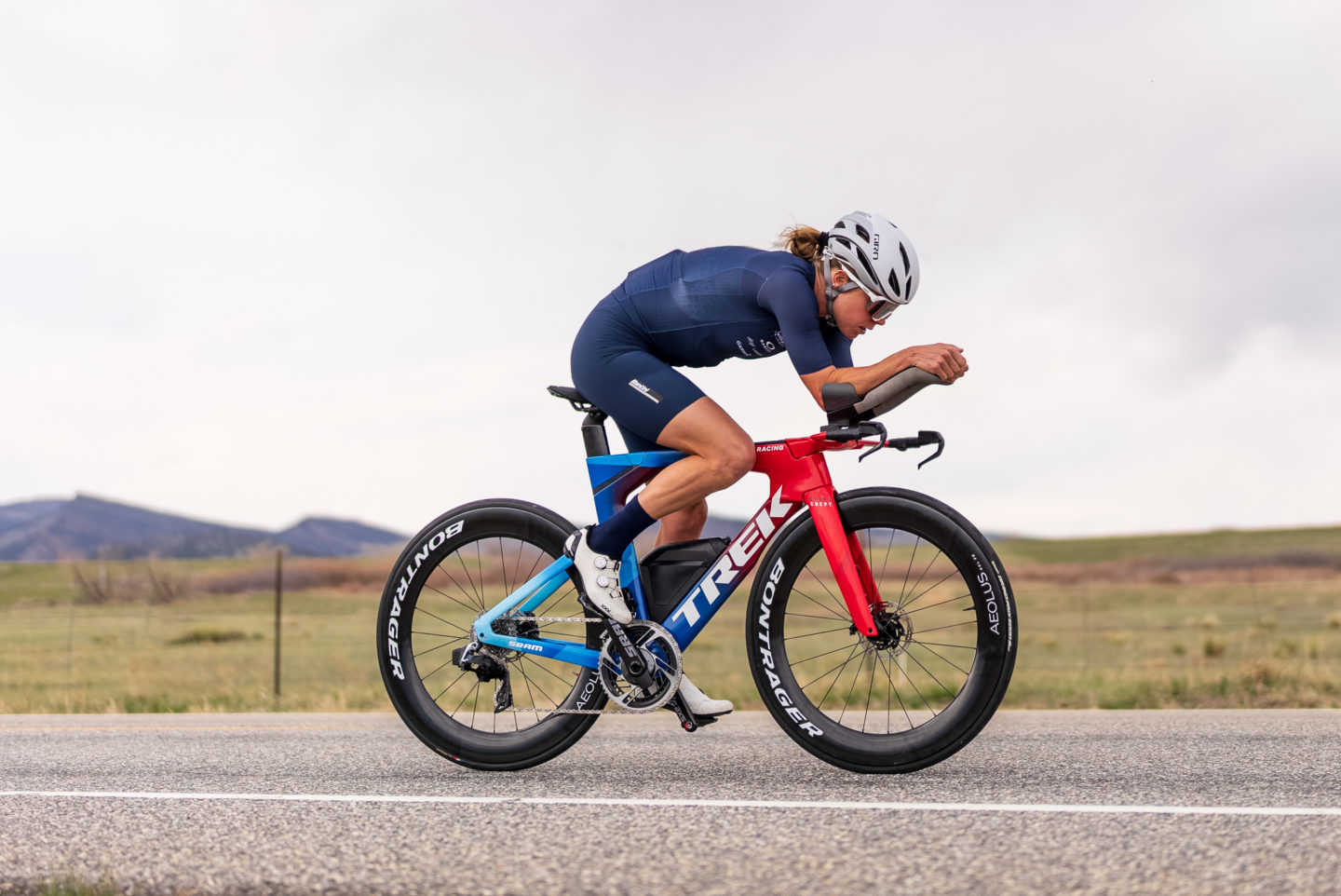
Naturally, the race against the clock will always have a place in Van Dijk’s heart, and she hopes to pass on her passion for the discipline of time trailing on to those who come after her. Her first in-race appointment with the team was at the Vuelta a Extremadura Femenina where she advised the women’s team through their opening ITT, guiding Lauretta Hanson to a top-5 finish.
While she is content with her new life out of the spotlight and behind spreadsheets rather than handlebars, there will always be a little part of Van Dijk who misses the feeling of pulling on a speedsuit and locking in for a pre-TT warm-up. She believes that fire in her will never fully die – it’s now about transferring her energy to the next generation of powerhouse talent.
“I will always have this love for time trials and miss it a little bit,” she says with a smile. “It’s a big change from doing that myself, but I’m ready to help the next generation.”