

Inside our quest for aerodynamic advantage
In cycling, every microscopic advantage matters. Doubly so in an individual time trial, where there’s no way to hide in the peloton. It’s rider vs. the clock, and no pedal stroke can go to waste. In that situation, aerodynamics become really, really important.
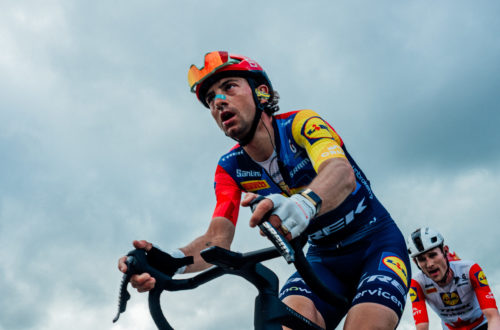
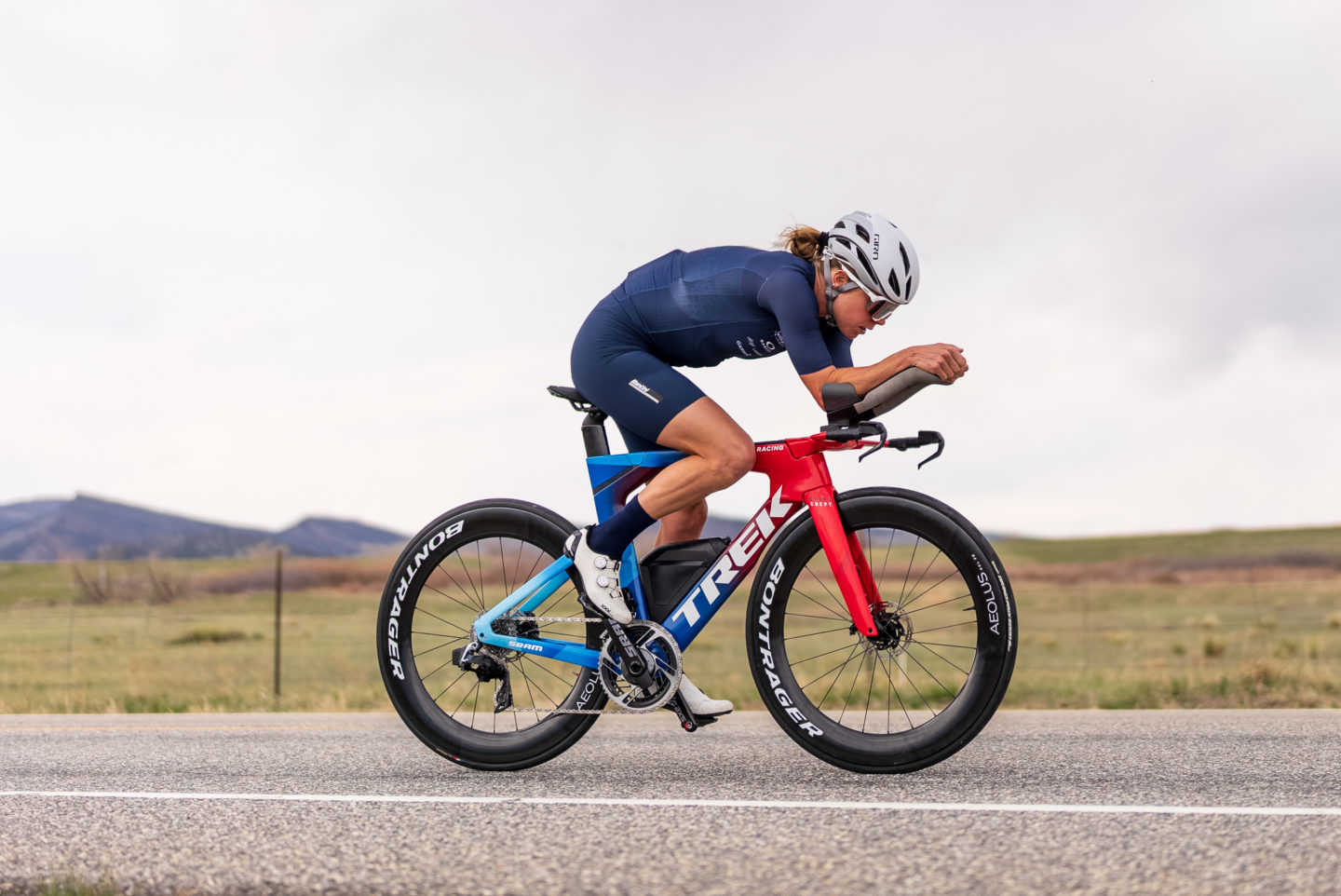
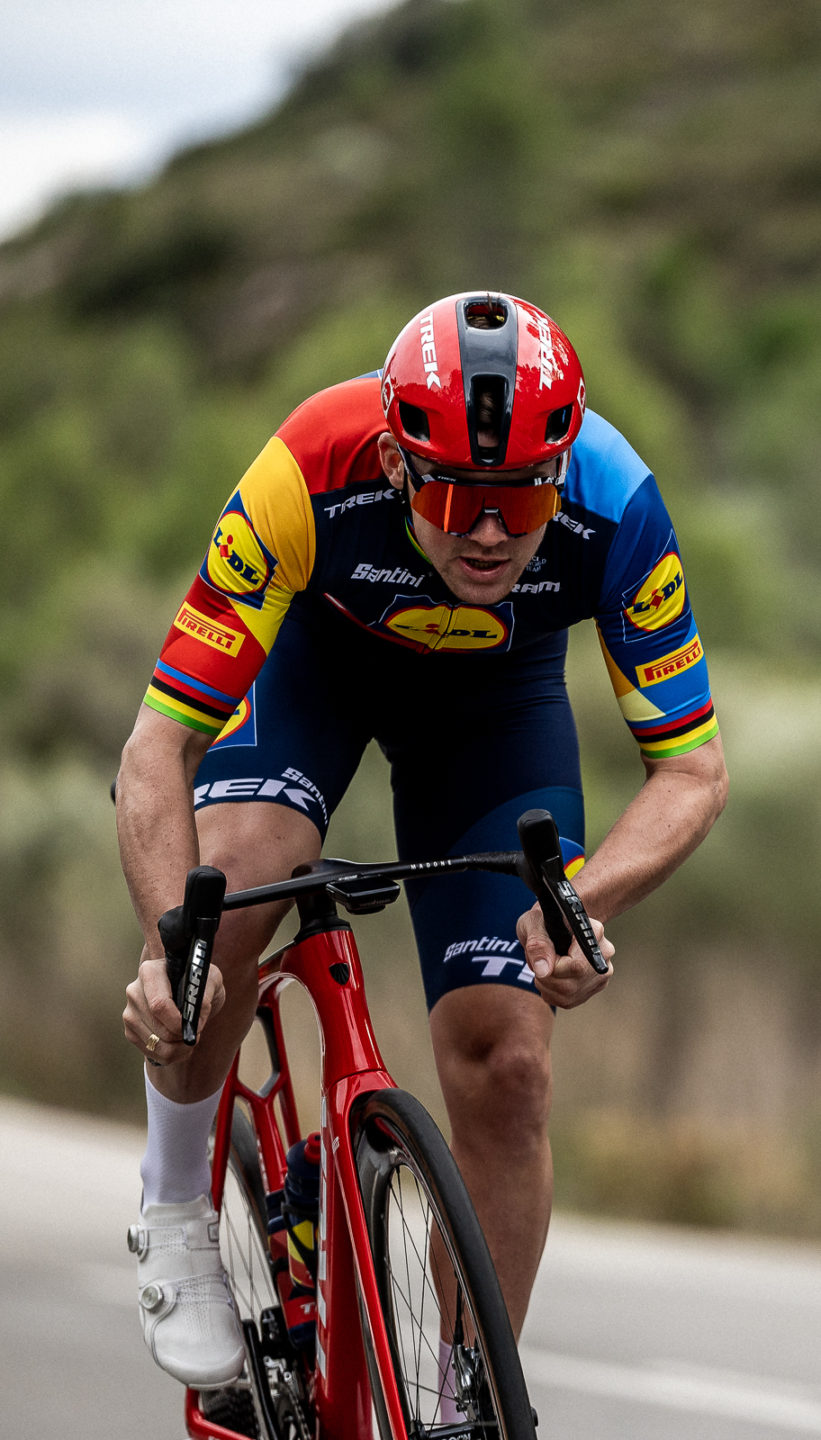
You may know all the work that went into making the Madone the lightest and most aero road bike that Trek has ever produced, but that’s not the only way Lidl-Trek has sought out marginal gains. The humble skinsuit, that barely-there piece of stretchy fabric, also plays a major role out on the road. And recently, Trek and Santini collaborated to engineer what may be the fastest skinsuit ever made.

“It was very much a cooperation,” Lidl-Trek support manager Koen de Kort said. “The team pushed for it, but it was very much supported by Santini and Trek. We’re now taking the next steps with an evolution of the suit that we currently have.”
Step 1 was to find the right fabric. Santini provided Lidl-Trek with as many fabric options as they could gather, which were then tested in a small-diameter wind tunnel under turbulent conditions that simulated real world racing. Based on the results, Santini made full-body skinsuits for even more wind tunnel testing — a total of seven days for Round 2. Then Lidl-Trek validated the results with velodrome testing.
“Then we came to what we think now is one of the best, if not the best or fastest suit that is currently available in the peloton,” De Kort said.

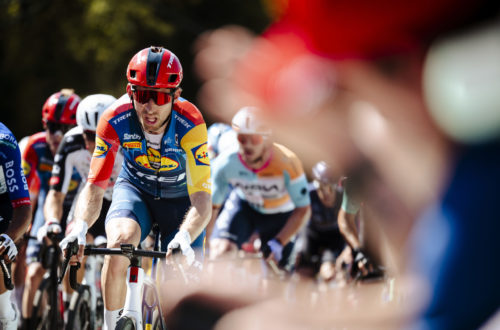
Simone Consonni was a key helper to test the super slippery skinsuit
Lidl-Trek and Santini used every bit of technology and know-how available to them while designing the skinsuits. To dial in the fit of the skinsuits, Lidl-Trek and Santini took 3D body scans of the riders, which also helped in engineering. Santini engineers designed wind tunnel tests to determine the fastest seam patterns and placements.
The team came up with two skinsuit options for the riders. The suit that tested the fastest for most riders used a slightly warmer fabric. For hotter days, riders also have a cooler skinsuit option, which, for some riders, is also the fastest aerodynamically for their body types and positions on the bike.

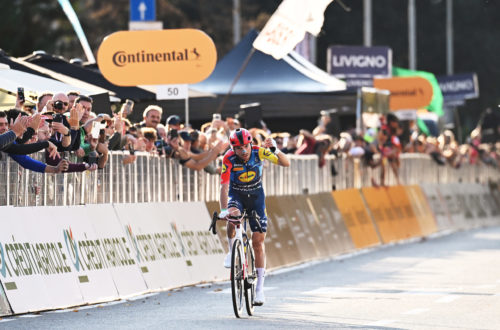
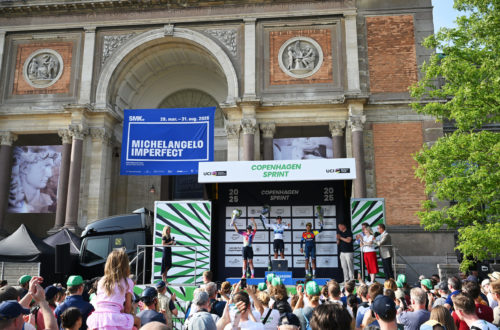
Daan Hoole claimed Giro stage glory wearing the newly-created suit
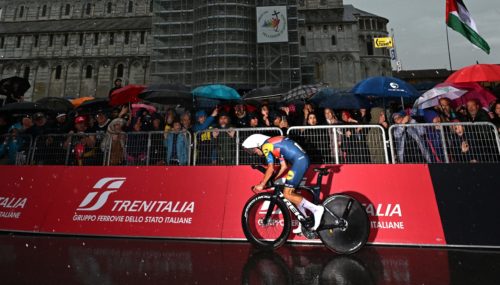
Lidl-Trek and Santini’s efforts were on full display at the Giro d’Italia, where Daan Hoole won the lengthy Stage 10 time trial to kick off the second week. The 6’6 Dutchman credited the team’s offseason investment in time and resources for preparing him.
“[We worked with] Koen de Kort and Santini to develop the super fast speed suit, and I think we have maybe the fastest speed suit out there,” Hoole said after the win. “And then also, with the new team biomechanic, Yeyo [Corral], he changed a lot of my position to make me even more aerodynamic. And I think with my height, it’s really something you have to find.”
Lidl-Trek’s relentless pursuit of aerodynamic nirvana isn’t ending anytime soon. Wherever there’s marginal gains to be made in equipment, De Kort and the team are on the case.
“We’re right now taking the next steps to create the next evolution of the suit that we currently have,” De Kort said. “We already did one wind tunnel test for that. We will never stop improving the fit and aerodynamics of our suit, even if it’s by a little bit.”